Paying Off Your Mortgage Early: Strategies, Benefits, and Hidden Costs
A comprehensive guide to financial freedom through early mortgage repayment.
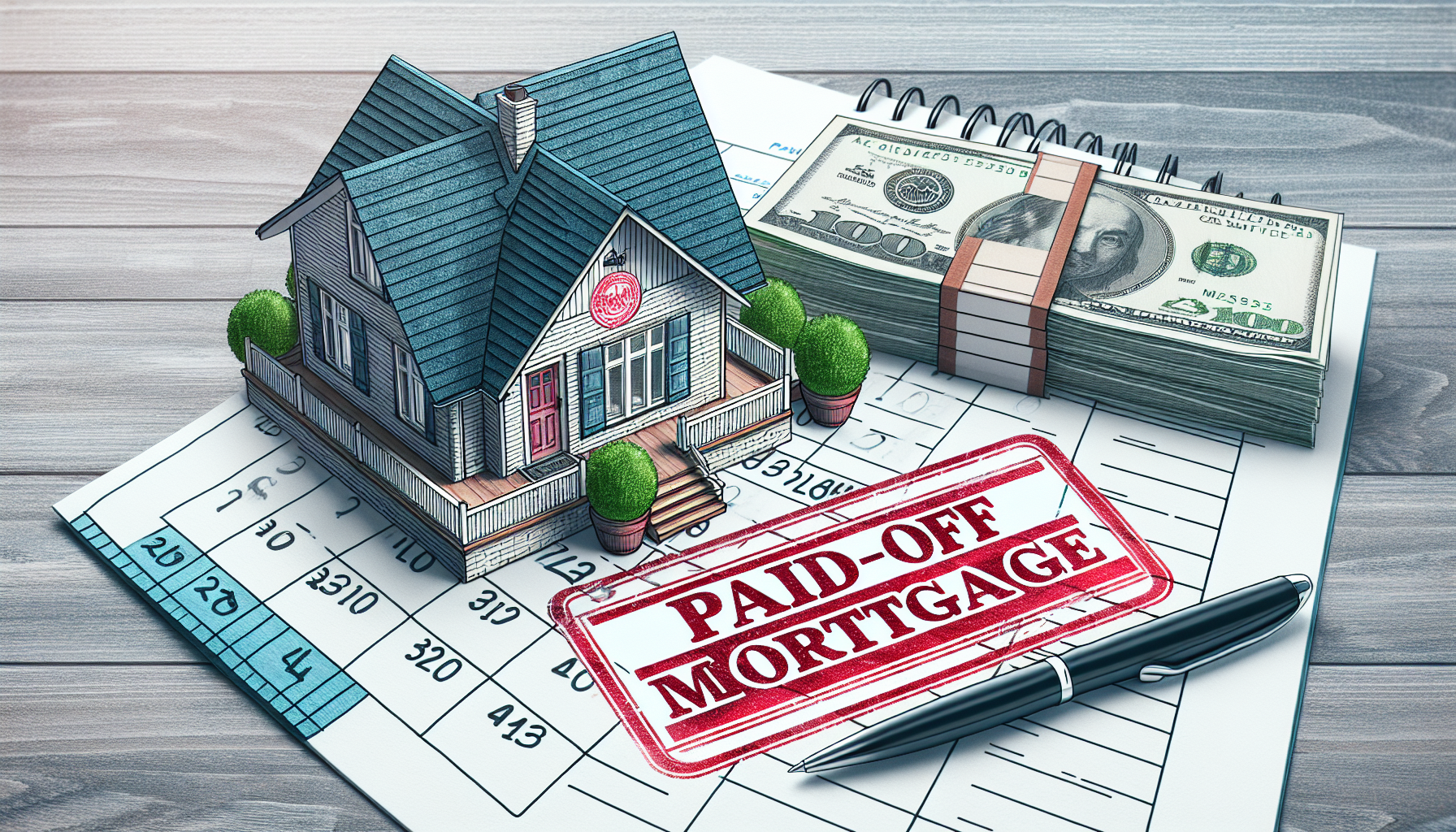
Paying Off Your Mortgage Early: Strategies, Benefits, and Hidden Costs
Introduction
Paying off your mortgage early is a financial milestone that many aspire to achieve. The concept of living mortgage-free carries financial and emotional rewards, such as the potential to save thousands in interest, reduce financial stress, and free up money for other goals. But is it the right move for everyone?
In this in-depth guide, we’ll discuss the strategies, benefits, and hidden costs of early mortgage repayment. We’ll also explore the potential drawbacks, tools to evaluate your financial outcomes, and real-life examples to help you make an informed decision.
Why Consider Paying Your Mortgage Early?
The idea of paying off a mortgage early is enticing because it offers multiple tangible and intangible benefits:
- Interest Savings: Mortgages accrue interest daily on the remaining balance. By paying off your loan earlier, you reduce the total interest owed. For example, on a 30-year, $250,000 mortgage at a 4% interest rate, paying an additional $200 each month could save you nearly $28,000 over the life of the loan.
- Financial Freedom: Freeing yourself from regular monthly payments opens up cash flow to invest, save for retirement, or pursue other goals.
- Peace of Mind: The psychological relief of living debt-free can considerably reduce financial anxiety.
That said, balancing this goal with other financial priorities is essential. Paying off your mortgage too aggressively might mean missing out on opportunities to grow your wealth or leaving yourself financially vulnerable.
Actionable Strategies to Pay Off Your Mortgage Early
1. Make Extra Payments
Adding extra money to your principal is one of the simplest and most effective ways to shorten your loan term. Here are common approaches:
-
Biweekly Payments: Instead of paying monthly, divide your mortgage payment into two equal biweekly payments. This approach results in 26 payments annually (one extra payment each year), which can cut years off your loan term.
-
Annual Lump-Sum Contributions: Allocate windfalls like tax refunds, bonuses, or inheritances directly toward your principal.
-
Rounded-Up Payments: Round your mortgage payment to a higher, even amount (e.g., from $1,450 to $1,500). Over time, this small difference can yield big savings on interest.
2. Refinance to a Shorter Loan Term
Refinancing your existing mortgage to a shorter term, such as a 15- or 20-year loan, accelerates repayment. Though monthly payments are often higher, you’ll pay less interest overall. Be sure to factor in refinancing costs before committing.
3. Adopt a Focused Budget
Streamline your expenses to free up additional income for mortgage prepayment. Apps like Mint or YNAB (You Need a Budget) can help track and optimize your spending.
4. Use Mortgage Payoff Calculators
Online calculators can help you visualize how much you’ll save in interest and how quickly you’ll retire the loan. For instance, the PrimeLending Extra Payments Calculator can simulate various repayment scenarios.
Financial Considerations: Pros and Cons
The Pros
- Substantial Interest Savings: Early repayment can save tens of thousands over the loan's life.
- Debt-Free Living: Greater peace of mind and reduced financial burden.
- Improved Cash Flow: With no mortgage payments, you can redirect funds elsewhere.
The Cons
- Reduced Financial Liquidity: Diverting liquid assets toward your mortgage reduces money available for emergencies or other investments.
- Opportunity Costs: Funds used for prepayment might yield better returns in stocks, real estate, or other investments.
- Potential Prepayment Penalties: Some lenders charge fees for paying off loans early, reducing the benefit of accelerating payments.
Common Pitfalls to Avoid
1. Ignoring Loan Terms
Some lenders impose prepayment penalties if you pay off your mortgage too early. Double-check your loan agreement and consult your mortgage provider before paying extra.
2. Overleveraging Emergency Savings
Make sure your emergency fund covers at least 3–6 months’ living expenses before channeling surplus income into mortgage prepayment.
3. Overlooking Other Financial Goals
If your mortgage interest rate is low, it might be smarter to invest extra funds in high-return options like the stock market.
4. Misunderstanding Tax Benefits
Paying off your mortgage early ends the benefit of mortgage interest deductions on your taxes. Evaluate how much you’ll save (or lose) before making a decision.
Real-Life Stories
Success Story: John and Sarah’s Debt-Free Journey
John and Sarah, a couple in their mid-40s, aggressively paid off their $300,000 mortgage by using biweekly payments and allocating all bonus income toward principal payments. This strategy helped them eliminate their debt 12 years early, saving over $50,000 in interest.
Regret Story: Laura’s Lost Liquidity
Laura, a single homeowner, prioritized paying off her $200,000 mortgage before retirement. However, she unexpectedly faced significant medical expenses and lacked liquid cash to cover them, forcing her to take out a high-interest personal loan.
Tools to Maximize Savings
- PrimeLending Extra Payments Calculator: Visualize how extra payments accelerate payoff.
- Bankrate Mortgage Calculator: Compare repayment timelines and interest savings.
Balancing Early Payoff vs. Investing
Is paying off your mortgage early always the best option? Some financial experts suggest a hybrid strategy:
- If your mortgage interest rate is below 4%, you could potentially achieve higher returns by investing funds in stock markets or mutual funds. Lenders like State Farm emphasize balancing prepayment with broader financial goals.
However, if being debt-free aligns with your personal values or provides peace of mind, the financial opportunity cost may be less important.
Conclusion
Paying off your mortgage early can be a life-changing decision, offering significant savings and freedom. However, the right choice depends on your financial priorities, goals, and unique circumstances.
To start your journey:
- Examine your loan terms for prepayment penalties.
- Use tools like mortgage calculators to plan repayment strategies.
- Consider the trade-offs between liquidity, investments, and interest savings.
Ultimately, paying off your mortgage early is not just a mathematical choice—it’s a personal one. Whether you prioritize financial growth or peace of mind, aligning your strategy with your goals is the key to success.
Meta Title:
"Paying Off Your Mortgage Early: Strategies, Benefits, and Costs"
Meta Description:
"Discover how to pay off your mortgage early with proven strategies. Learn about benefits, hidden costs, and tools to save interest and achieve financial freedom."